What Happens in a Somatic Counselling Session?
Walking into counselling may feel daunting. Many people who find their way into my practice have already seen counsellors, psychologists or psychiatrists before.
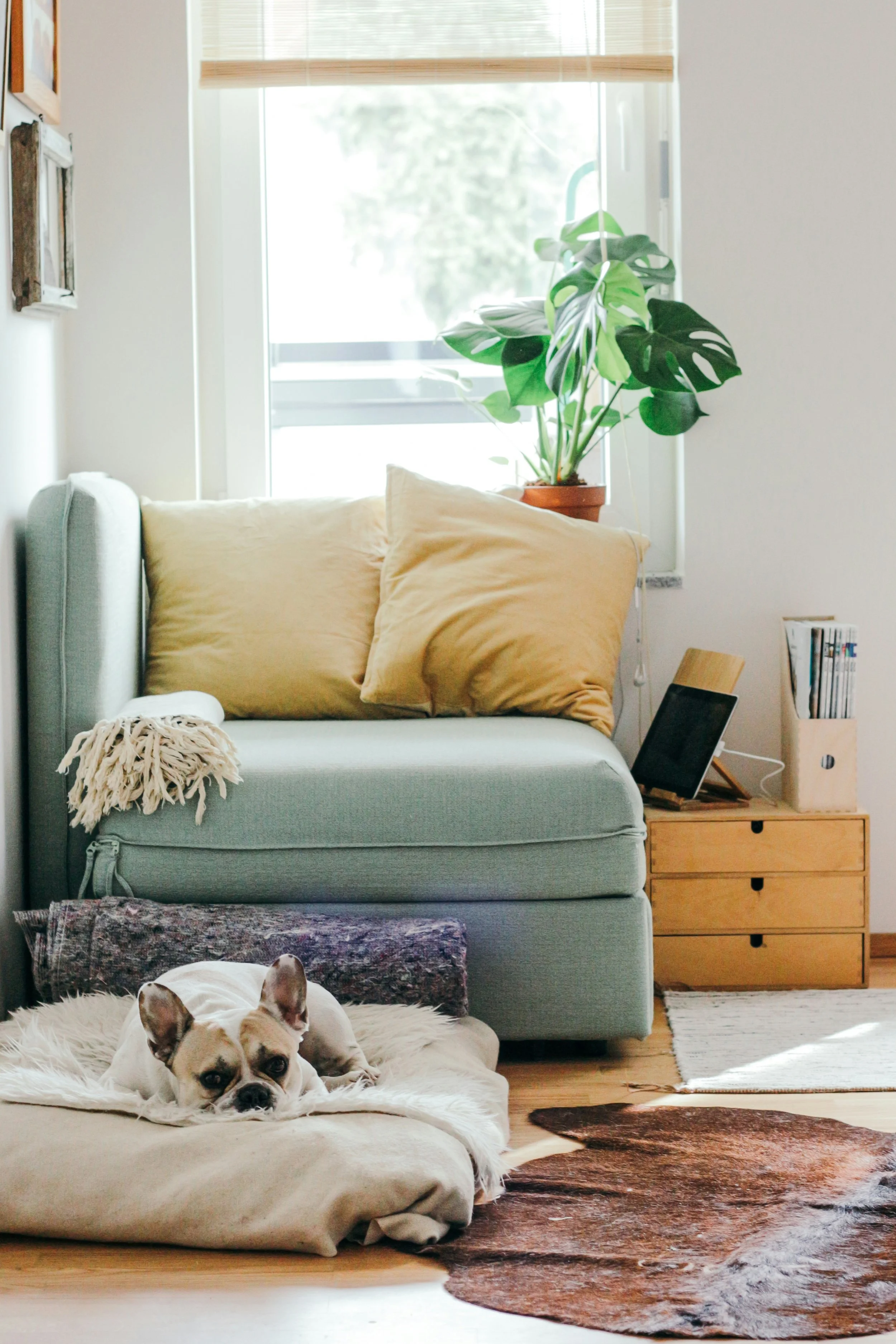
Often, the first thing they notice when they enter my space is not me so much, but the room itself.
Some say it feels homely. Some notice it’s not clinical at all, more like a calm living room. People see the plants, the soft lighting, the intention behind how the space is held. Many notice the colours, the order, the gentle atmosphere.
For some that alone is the first breath of relief, a sense of being somewhat safe and that matters a lot because in somatic counselling we begin with what feels supportive. We start with a resource.
We start with a resource.
Why We Begin with Resources
A resource is anything that helps calm and settle the nervous system. It’s the difference between walking into a room already bracing yourself, maybe anxious about what might happen, whether you’ll hold it together, or whether you’ll be judged – and walking into a space where your body finds a small sense of safety.
That small breath. That softening in the chest. That moment of “Maybe I can be here” is vital and important.
Starting with a resource signals to the nervous system: you are not in danger right now. Without this, diving straight into painful stories can leave people feeling overwhelmed, shut down or frozen. That’s not healing. That’s survival — and we’ve all been there, but we don’t want to repeat it.
What to Expect in a Session
In a somatic session, we often begin by orienting, noticing what in the room feels supportive, where you’d like to sit, how your body feels most at ease. We slow down.
From there if this is our first session I will normally share a little about how I work. I begin to mention why we do the things we do in here because everything we do has an intention, a reason.
In our sessions there’s no agenda other than what’s most important to you.
There’s no labelling, judging, or pushing.
Some people want direction and structure. Others need space to find their own way. Whatever is needed, we do it together.
So …….. When Do We Share Our Story?
That’s a good question because we do it a little different to what you might be used to. We don’t dive straight into “the whole story.” Instead we work with it in manageable pieces. We do a bit at the time. We let both your mind and body have a voice in the process.
This is where pendulation comes in. We move gently between challenge and resource, between tension and safety. It’s like teaching the nervous system to swing between what is manageable and what feels heated. With each pendulation the body finds more flow and resilience.

How we tell our story is important.
How It Differs from Other Therapy
Many talk-based therapies focus on retelling the story from beginning to end. In somatic work we don’t revisit the past like this. Instead we notice what’s happening right now in the body as we touch those memories.
This changes everything. Instead of re-living trauma in overwhelm, you remain present, with space to process, integrate, and feel, and the ability to move in and out of it.
It’s not so much about remembering what we went through — it’s giving the body time to process now what it was not able to do then. And we are doing it in the present moment, with more resources and support.
Another difference is the pace. Somatic counselling is much slower and in that slowness is the chance for something new to be noticed, for something else to emerge and a chance for the body to complete what was left unfinished or is needed right now.
What Will Not Happen
🚫 You won’t be pushed to tell your story – some people I work with prefer not to say much at all. They do the whole process without sharing anything. The body holds it all, and we don’t need to put words to it for change to happen.
🚫 You won’t be judged, labelled, or told to “just get over it or stop thinking about the same old thing”
🚫 You won’t be forced to relive trauma in a way that leaves you flooded or frozen.
Instead, sessions are collaborative, paced, and deeply respectful of what your system needs to move toward healing.
Why People Find It Healing
Many people tell me what they most want in a session is to feel listened to, respected, and met with presence. Others find comfort in finally being the focus – in a safe, intentional space where it’s truly about them.
Together, we explore hopes, dreams, and the felt sense of what life could be like. Those intentions become resources too – guiding lights for the journey ahead.
A Final Word
Somatic counselling isn’t about “fixing” anybody. No one is broken. It’s more about walking alongside you as you reconnect with your body, your nervous system, and the YOU underneath all the things that have happened to you. You are not your trauma. You have been shaped by it no question and there is much more to YOU.
Every session begins exactly where you are – with what is available right now. We don’t force. We listen. We notice. We allow.
And in that, something shifts.